
Top Benefits of Early Dental Checkups for Kids
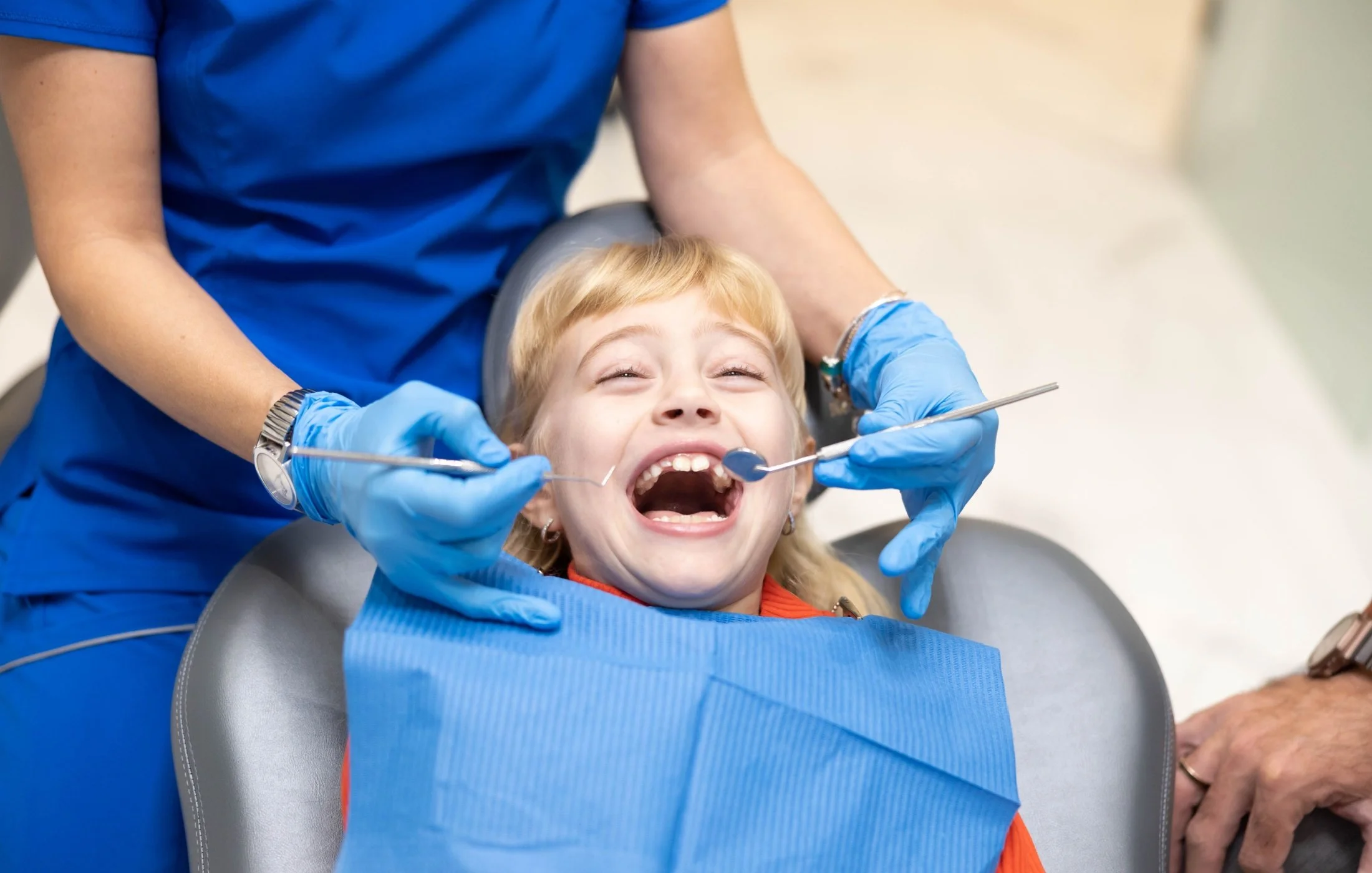
Kids notice everything. The bright light, the soft whirr of a polisher, the friendly voice counting teeth. Early dental checkups for kids set the tone before problems start. They guide growth, stop small issues from snowballing, and help children feel at ease in a health space that will follow them for life.
Early dental checkups for kids are routine visits beginning by age 1 or when the first tooth appears. Dentists assess teeth, gums, bite, hygiene, diet, and risk factors. These early touchpoints prevent cavities, support speech and nutrition, and build confidence with positive experiences at the chair side.
Why Early Dental Checkups for Kids Important
Early visits work like a safety net. Problems that start quietly in baby teeth can affect eating, sleep, and speech, and later crowd the path for adult teeth. Starting early allows dentists to intercept risk patterns and coach families before habits harden. Kids' early dental examinations make oral health feel normal and not scary.
There is a simple pattern. Regular checkups keep plaque and gingivitis in check, fluoride protects the enamel, and guidance about bottles, sippy cups, and snacks reduces sugar exposure. When these three move together, cavity risk drops and comfort rises. Professional groups in Canada and internationally recommend a first visit by age 1. That early look helps caregivers set routines that actually fit daily life.
Parents often hear the saying, the earlier the better. It holds up in practice. Early dental screenings for kids uncover things a mirror at home will miss, like early white spot lesions that point to enamel softening or an eruption pattern that hints at crowding ahead. This early attention saves families time and unnecessary worry.
Kids' Early Dental Examinations: What Dentists Look For
These exams read the mouth like a roadmap. Dentists look for decay patterns, gum health, eruption timing, and bite relationships. They also pay attention to habits that mark risk, like prolonged bottle feeding at night, thumb sucking, or frequent grazing on sticky snacks. The findings guide a home plan matched to a child’s risk level.
Early dental screenings for kids: cavity risk and gum health
Risk mapping starts with enamel. Early chalky white spots signal mineral loss. Plaque around the gumline points to tooth brushing struggles. A dentist will ask about bedtime bottles, juice, and snack timing. As one pediatric pro puts it, bottle to bed is a sugar bath. It sticks to enamel and feeds bacteria while a child sleeps. Adjusting that routine quickly lowers risk.
Gum health matters too. Puffy, bleeding gums in a toddler usually mean plaque has been sitting there. Soft bristles, gentle circles, and a tiny smear of fluoride toothpaste under age 3 create a big shift. Flossing starts when teeth touch. These small steps add up faster than most people expect.
Growth tracking: tooth eruption, jaw development, and bite
Baby teeth erupt in a well known sequence, with front incisors appearing first. Dentists track this timing and watch how the bite lines up. Crossbites, deep bites, and open bites sometimes show up early. They can be linked to mouth breathing, pacifier use, or thumb habits. Early guidance can reduce pressure on the developing jaws and keep space for adult teeth.
Growth checks catch concerns early so referrals and simple habit changes happen on a calm timeline, not during a rushed emergency later.
Behavior coaching: brushing technique, diet, and habits
Coaching aims for routines that stick. Use a rice grain smear of fluoride toothpaste for toddlers and a pea sized amount from about age 3 to 6. Brush twice daily. Make bedtime brushing non negotiable. Start flossing when teeth contact. Pair snacks with water and save sweet treats for mealtimes. Actually, recent studies show snack frequency often matters more than total sugar because frequent hits keep acid levels high.
Simple language works. Say the dentist counts teeth and makes them shiny. Kids respond to predictable steps and a steady voice.
Cost and Time Savings for Canadian Families
Preventive care is less expensive than urgent treatment. Early exams and varnish are short, predictable visits. Emergencies cost time, worry, and more complex care. As of 2025, the Canadian Dental Care Plan is expanding eligibility in phases and includes children under 18, with income based coverage. Provincial programs also support kids in many regions. Check local details for your family.
| Visit type | Typical time | Out of pocket | Notes |
|---|---|---|---|
| Preventive early checkup | 30 to 45 minutes | Low to moderate. Often covered by public or private plans | Includes exams and fluoride for high risk kids. |
| Emergency visit for decay | 60 to 120 minutes | Higher. Treatment fees and potential sedation | Missed school and work time likely. Needs confirmation per clinic. |
Time saved matters. A calm preventive slot avoids the scramble that comes with pain, infection, and after hours care.
Choosing the Right Pediatric Dentist in Canada
Look for training, a child friendly environment, and clear communication. The best fit is the team that listens and adapts.
Qualifications and certifications to look for
Provincial dental license in good standing
Pediatric dentistry specialist credentials or experience with young children
Membership in recognized Canadian dental bodies
Comfort with fluoride varnish, minimally invasive care, and behavior guidance
Clear policies for emergencies and for kids with special health needs
Questions to ask during a consultation
How do you tailor care for my child’s age and risk level
What is the approach to fluoride and sealants
How are anxious or neurodiverse children supported
What is the plan for after hours dental concerns
How often will return visits be scheduled and why
Why Families Choose Smiley Kids Dental for Early Checkups
At Smiley Kids Dental, early checkups begin as early as age one, following pediatric guidelines that help prevent cavities before they start. Our team takes extra time to create a warm, kid-friendly environment so little ones feel safe and supported. Parents receive personalized guidance on brushing, nutrition, and daily habits, making it easier to build healthy routines at home. We focus on gentle care, simple explanations, and a comforting experience that helps toddlers feel confident during their visit. If your child is due for their first visit, you can easily book an appointment with Smiley Kids Dental to get started.