
Overcome Child Dental Fear: Tips for Anxious Kids
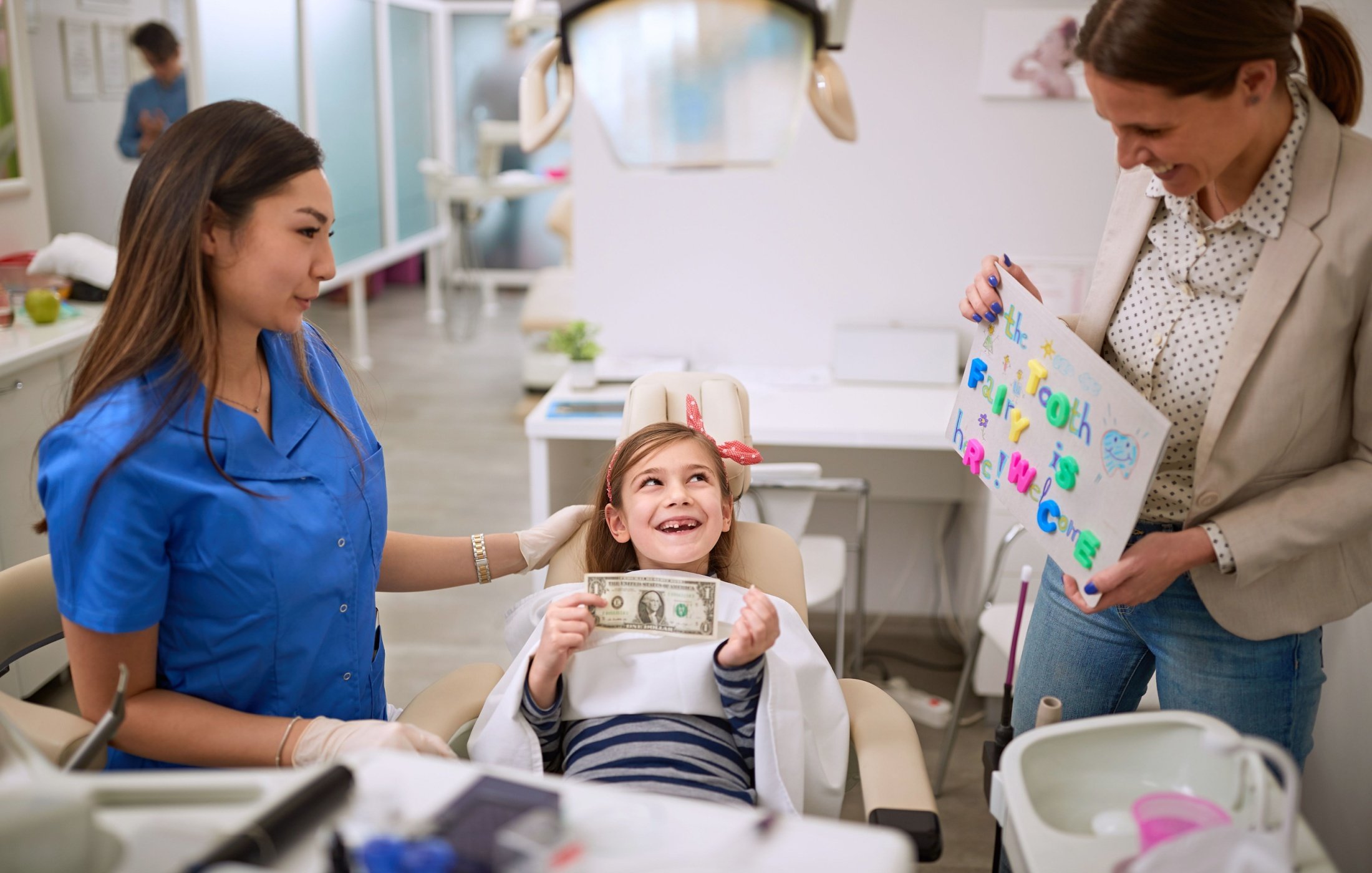
Child dental fear is common and manageable. The fastest way to help an anxious child is to start early, model calm, use simple play-based practice, choose a pediatric dentist, book morning visits, and bring sensory comforts. Regular, non-urgent checkups act like a vaccine against fear by building familiar, positive experiences over time.
What Is Child Dental Fear and Why It Happens
Child dental fear is a pattern of worry, tension, and avoidance around dental care. It ranges from mild nerves to full-blown child dental phobia. The roots are rarely just one thing. Past pain, fear of the unknown, loss of control, and the feeling of intrusion in a sensitive space all play a role. A classic clinical model highlights five drivers that often overlap. Anticipated pain. Low trust. Loss of control. The unknown. Intrusion into personal space.
Here’s a hopeful truth. Early, routine checkups reduce children’s dental fear. Large pediatric data sets show two factors predict lower anxiety. An earlier first visit and regular recall visits. When kids meet the dentist before problems start and return on a predictable schedule, fear drops sharply through familiarity and positive learning. This pattern accounts for a big portion of the difference in anxiety levels across children. Think of it as gentle exposure training wrapped in prevention.
There’s another pattern worth naming. Kids who collect several neutral or positive visits before any tough one are far less likely to develop lasting anxiety. Those “good” experiences blunt the impact of an occasional bad one, a finding often called latent inhibition in the behavior science literature.
Signs of Children's Dental Fear by Age Group
Toddlers and Preschoolers
Clinging, crying when seeing the chair or bright overhead light.
Covering the mouth or turning away from the toothbrush at home.
Sensory overload from smells, sounds, and masks. Everything feels big and loud.
At this age, unfamiliar sights and sounds drive most children’s dental fear. Gentle play and quick wins matter more than finishing every task.
School-Age Children
Specific worries about “shots,” drills, or “sugar bugs” that won’t come off.
Ask many what-if questions. Want to know what happens first, next, then after.
Try to bargain for more control. A stop signal helps them feel safer.
Teens and Adolescents
Concern about appearance and judgment. Comments about hygiene can sting.
Reluctance to schedule or attend, especially after a tough appointment.
More need for privacy, choice, and clear explanations without baby talk.
Evidence-Based Ways to Reduce Child Dental Anxiety at Home
Storytelling, Play, and Modeling
Kids learn by watching. Calm words, a relaxed tone, and simple stories set the stage. Short role-play with a stuffed animal turns the unknown into a game. The classic tell–show–do approach works at home too. Tell a friendly version of what happens. Show with a toy mirror and toothbrush. Then do a quick “count and clean.” Play turns into practice… and practice turns into confidence.
Gradual Exposure and Role-Play Practice
Name the plan. Say you’ll visit the clinic just to “count teeth and choose a new toothbrush.” Keep it small.
Practice at home. Lie back on a pillow under a lamp. Count teeth out loud. Stop on a pre-agreed signal.
Watch a brief kid-friendly dental clip. Note the words they use. Borrow those phrases.
Do a porch visit. If the clinic allows, stop by to meet the team and see the chair without any treatment.
Stack small wins. Celebrate cooperation, not perfection. Build from there.
Short, predictable steps reduce kids’ fear of dentists by shrinking the unknown and building control into the process.
Sensory Tools and Comfort Planning
Noise. Use child-safe headphones and favorite music. Audiovisual distraction reduces observable distress during care.
Touch. A fidget toy or soft blanket grounds the body.
Smell and taste. Ask about flavors for polish and fluoride. Mint, berry, or unflavored can make or break cooperation.
Breathing. Teach square breathing. In for four, hold for four, out for four. This pairs well with guided relaxation.
Preparing for the First or Next Dental Visit
Choosing the Right Pediatric Dentist
Look for pediatric training and a child-centered space with scaled equipment.
Ask about behavior guidance methods. Tell–show–do, positive reinforcement, and distraction tools should be standard.
For families in Canada, search within the Canada Dental Care Plan provider lists or provincial program directories to find pediatric dentists who accept public coverage. Smiley Kids Dental welcomes anxious kids and builds age-appropriate care plans from day one.
In-Clinic Techniques Dentists Use for Kids' Fear of Dentists
Tell-Show-Do and Positive Reinforcement
These are the bread and butter of pediatric care. First explain in kid language. Then show on a finger or toothbrush. Then do a short task. Praise specific behaviors like still hands or strong breathing. Over time, repeated, non-aversive visits lower children’s dental anxiety substantially.
Distraction, Guided Breathing, and Relaxation
Audiovisual distraction. Tablets or ceiling screens reduce distress during procedures.
Virtual reality. For some highly anxious kids, graded VR exposure can reduce phobic responses.
Muscle relaxation. Short, coached tensing and releasing helps steady the body and mind.
Sedation Options, Safety, and When They're Appropriate
Nitrous oxide, oral sedation, and in select cases IV or general anesthesia are options when fear blocks necessary care. Use is tailored to the child’s medical history, procedure length, and coping skills. The goal is comfort and safety, not shortcuts. Sedation decisions are made with informed consent, clear fasting instructions, and trained teams who monitor throughout. If your child struggles with dental anxiety, our gentle and kid-friendly team is here to help. Book an appointment at Smiley Kids Dental today and let us make their next visit calm, comfortable, and stress-free.