
The Difference Between a Dental Cleaning and Deep Cleaning
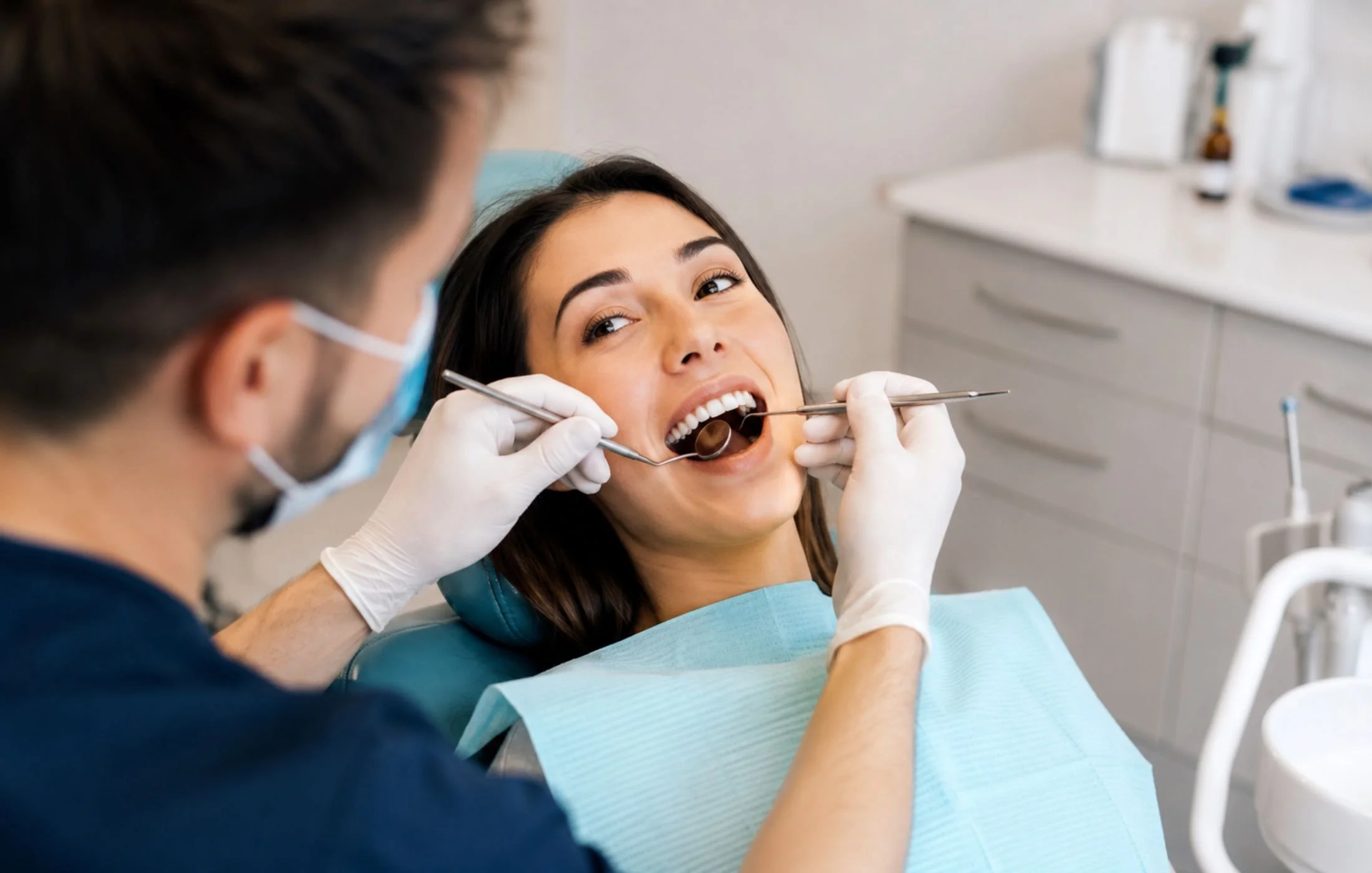
A dental cleaning and a deep cleaning share a name but serve entirely different purposes. One is part of your regular six-monthly routine. The other is a clinical response to gum disease that has progressed below the gumline. Knowing the difference helps you understand your dentist's recommendation, ask the right questions, and make informed decisions about your family's oral health.
Dental Cleaning vs Deep Cleaning: What Is the Difference?
A dental cleaning works above and just at the gumline. It removes plaque and tartar from visible tooth surfaces, polishes the enamel, and keeps healthy gums in good condition. It is a preventive procedure built into routine dental hygiene and recommended every six months for patients whose gums are healthy.
A deep cleaning works below the gumline. It targets the pockets that form between the teeth and gum tissue when gum disease is present, removing bacteria and hardened tartar that a standard cleaning cannot reach. It involves dental scaling and root planing, two steps that work together to clean the root surface and allow the gum tissue to heal and reattach.
Both use similar tools. The clinical purpose, the depth of treatment, and the recovery involved are completely different.
What Happens During a Dental Cleaning?
A routine dental cleaning takes between 45 and 60 minutes. The hygienist removes plaque and tartar from tooth surfaces and along the gumline using hand scalers or an ultrasonic device. The teeth are then polished to clear surface stains and smooth the enamel, which slows future plaque buildup. Most appointments end with a fluoride treatment.
For patients with healthy gums, this is sufficient. Twice a year, it removes what daily brushing and flossing cannot fully address and gives the dental team a regular opportunity to spot early concerns before they develop into something more involved.
Establishing this habit early in children makes adult dental care significantly easier. Families across Vancouver and Burnaby can build that foundation at Smiley Kids Dental, where routine care is delivered in an environment that works for both children and the adults bringing them in.
What Happens During a Deep Cleaning?
A deep cleaning addresses what routine care cannot. When tartar accumulates below the gumline, the surrounding tissue becomes inflamed, gum pockets deepen, and bacteria establish themselves in areas that brushing and standard cleaning never reach. Left untreated, this progresses to bone and tissue loss around the teeth.
Dental scaling is the first step. The hygienist clears plaque and hardened tartar from within the gum pockets, working carefully below the gumline around each tooth. Root planing follows, smoothing the root surface to remove bacterial deposits and create conditions where the gum tissue can reattach and inflammation can resolve.
The procedure is done under local anaesthetic and is typically split across two appointments, one side of the mouth per visit. Mild sensitivity and tenderness for a few days after is normal. Most patients find the experience far more manageable than they anticipated. To explore the full range of care available for your family, visit our dental services page.
When You May Need a Deep Cleaning
The decision is based on a periodontal assessment. Healthy gum pockets measure between 1 and 3 millimetres. When pockets reach 4 millimetres or deeper and tartar has built up below the gumline, a deep cleaning is clinically indicated. A standard dental cleaning at that point would not reach the source of the problem.
Several signs suggest gum health may need closer attention. Gums that bleed consistently during brushing are one of the clearest signals since healthy gums do not bleed with normal brushing. Persistent bad breath that does not improve with good home care, gums that look red or are visibly pulling away from the teeth, and increased sensitivity to cold are all worth raising with a dentist.
Needing a deep cleaning is not always the result of neglect. Genetics, dry mouth, certain medications, and extended gaps between dental visits all contribute. The important thing is addressing it before the disease progresses further. Book an appointment if any of these signs are present and get a proper assessment done.
Why Regular Dental Cleaning Still Matters
A deep cleaning restores a baseline. Keeping that baseline stable is the job of regular dental cleaning going forward.
After completing a deep cleaning, most patients move to three or four monthly checkups until the gums have stabilised. Consistent dental hygiene appointments at that stage remove new buildup before it reaches below the gumline again. This is where preventive dentistry has its greatest impact, not in treating problems but in ensuring they do not return.
Skipping routine cleanings after a deep cleaning is one of the most common reasons patients end up needing the procedure repeated.
Schedule a Smile Checkup Today
Whether you are due for a routine dental cleaning or have noticed signs that your gums need attention, early assessment always leads to simpler treatment. At Smiley Kids Dental, our team provides thorough, gentle care for adults and children across Vancouver and Burnaby. Schedule an appointment today and give your family's oral health the attention it deserves.