
What Causes Cavities in Kids Even With Regular Brushing?
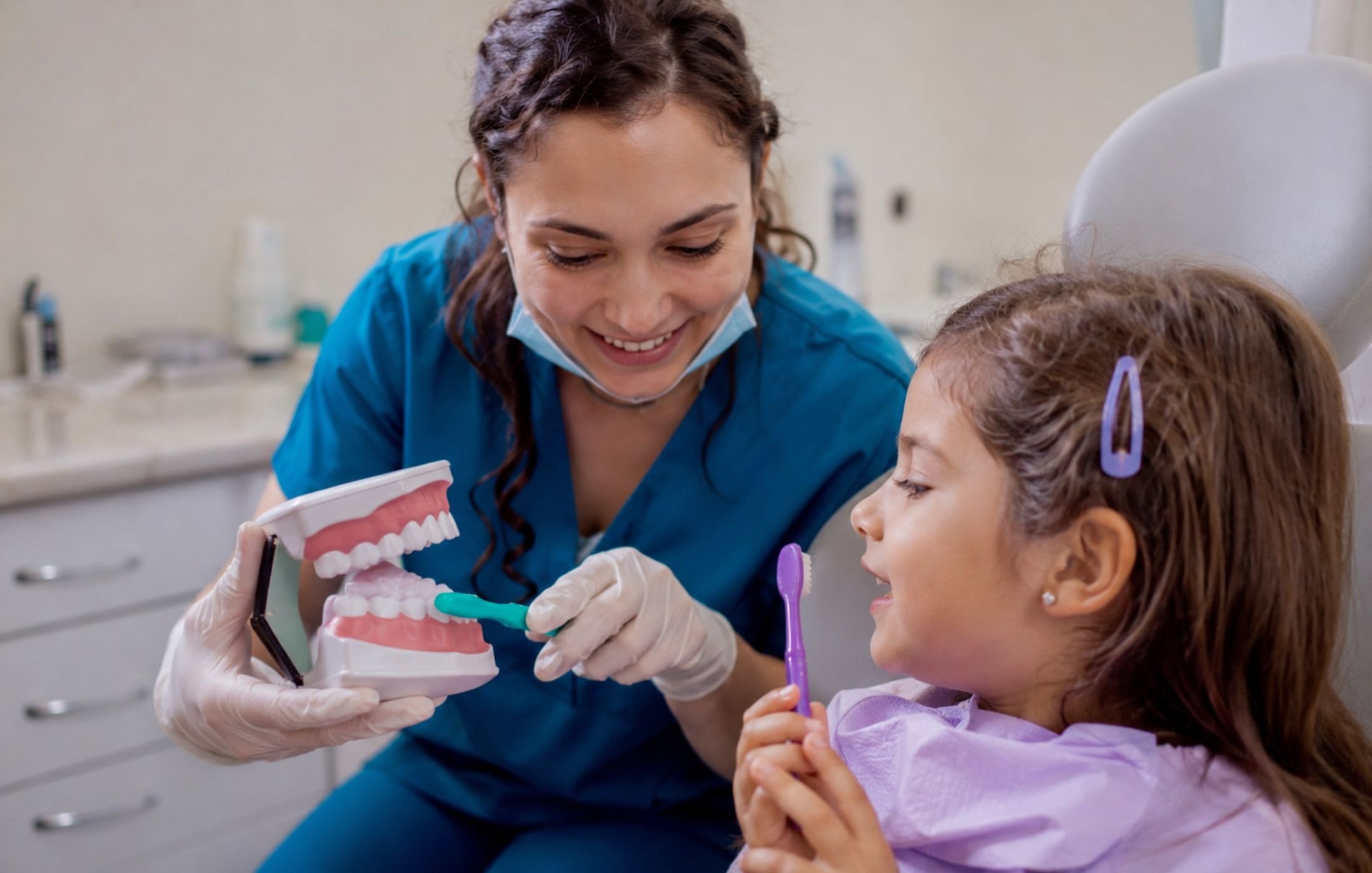
You brush your child's teeth twice a day. You limit sweets. You do everything the dentist says. And somehow, at every checkup, there is another cavity. If this sounds familiar, you are not alone and you are not doing it wrong. Cavities in children can develop even in households with genuinely good oral hygiene habits, and the reasons why are more nuanced than most parents are told.
Read on to learn what is actually going on.
What Causes Cavities in Children Beyond the Toothbrush
Brushing is necessary but it is not the whole picture. Cavities form when bacteria in the mouth feed on sugar, produce acid, and that acid slowly erodes enamel. Brushing disrupts that process, but only partially. Several other factors keep the cycle going regardless of how well a child brushes.
Sticky Foods and Sugary Drinks
Fruit snacks, gummies, crackers, dried fruit, and cereal bars are among the most cavity-causing foods a child can eat, and they are marketed directly at children. The problem is not just the sugar. It is how long these foods cling to tooth surfaces, sometimes for hours after eating, giving bacteria a sustained fuel source that brushing twice a day simply cannot fully counter.
Sugary drinks compound this significantly. Juice, flavoured milk, and sports drinks create a wash of acid across every tooth surface. Sipping them slowly throughout the day, or giving them in a sippy cup between meals, is one of the fastest ways to drive cavities in children even in kids who brush well.
Brushing Technique Gaps
Most children, left unsupervised, do not brush for the full two minutes. They miss the back molars, skip the gum line, and rarely angle the brush correctly to clean where the tooth meets the gum. These are precisely the areas where decay begins.
Flossing is the other gap. Cavities between teeth account for a significant proportion of childhood decay and no toothbrush, regardless of how good, reaches those contact points. If your child is not flossing, a portion of each tooth is simply never being cleaned.
Bacteria Passed From Parents
This one surprises many families. The bacteria primarily responsible for tooth decay, Streptococcus mutans, is transmissible. Sharing utensils, blowing on food to cool it, or cleaning a dummy with your own mouth can pass cavity-causing bacteria from a parent's mouth to a child's. Once established in a child's oral microbiome, that bacteria stays and contributes to decay regardless of brushing habits.
Genetics and Enamel Strength
Some children are simply born with thinner enamel, deeper grooves in their molars, or a naturally higher concentration of decay-causing bacteria. These are genetic factors that no amount of brushing can override on their own. If cavities run in the family despite good habits, genetics is worth discussing with your child's dentist. It changes the prevention strategy meaningfully. For families across Vancouver and Burnaby, Smiley Kids Dental provides assessments that account for these individual risk factors rather than applying a one-size-fits-all approach.
Dry Mouth
Saliva is the mouth's natural defence against decay. It neutralises acid, washes away food particles, and contains minerals that help remineralise enamel. Children who breathe through their mouths, take certain medications, or are frequently dehydrated produce less saliva than they need. Less saliva means acid lingers longer and decay progresses faster, even with consistent brushing.
How Can Parents Prevent Cavities in Children
Understanding what causes cavities in children makes prevention far more targeted and effective. These are the strategies that actually move the needle.
Get the Diet Right
Replace sticky snacks with tooth-friendly options like cheese, vegetables, and plain yoghurt. Limit juice to mealtimes only and offer water throughout the day. This single change reduces acid exposure more dramatically than almost anything else a parent can do at home.
Supervise Brushing Until Age 8
Children do not develop the dexterity for effective independent brushing until around age 7 or 8. Until then, a parent should be finishing the job. Use a timer, cover the back teeth, and introduce flossing as soon as two teeth are touching.
Use the Right Amount of Fluoride Toothpaste
A grain-of-rice-sized amount for children under 3 and a pea-sized amount from age 3 onward. Fluoride strengthens enamel and is one of the most evidence-backed tools in cavity prevention for children.
Ask About Sealants and Fluoride Treatments
Dental sealants coat the deep grooves of back molars where food collects and brushing cannot reach. Professional fluoride treatments delivered at checkups remineralise early decay before it becomes a cavity. Both are simple, preventive, and highly effective. Explore these options through our dental services page.
Protect Your Child's Smile Today
If your child keeps getting cavities despite brushing, the answer is not to brush harder. It is to look at the full picture, diet, technique, saliva, genetics, and professional prevention, and address each layer systematically.
Pediatric dental care BC families trust is built around exactly this kind of personalised, preventive approach. Book an appointment at Smiley Kids Dental and let a specialist identify what is actually driving your child's cavities and how to stop it.