
Tooth Enamel Explained: Why It's Essential for a Healthy Smile
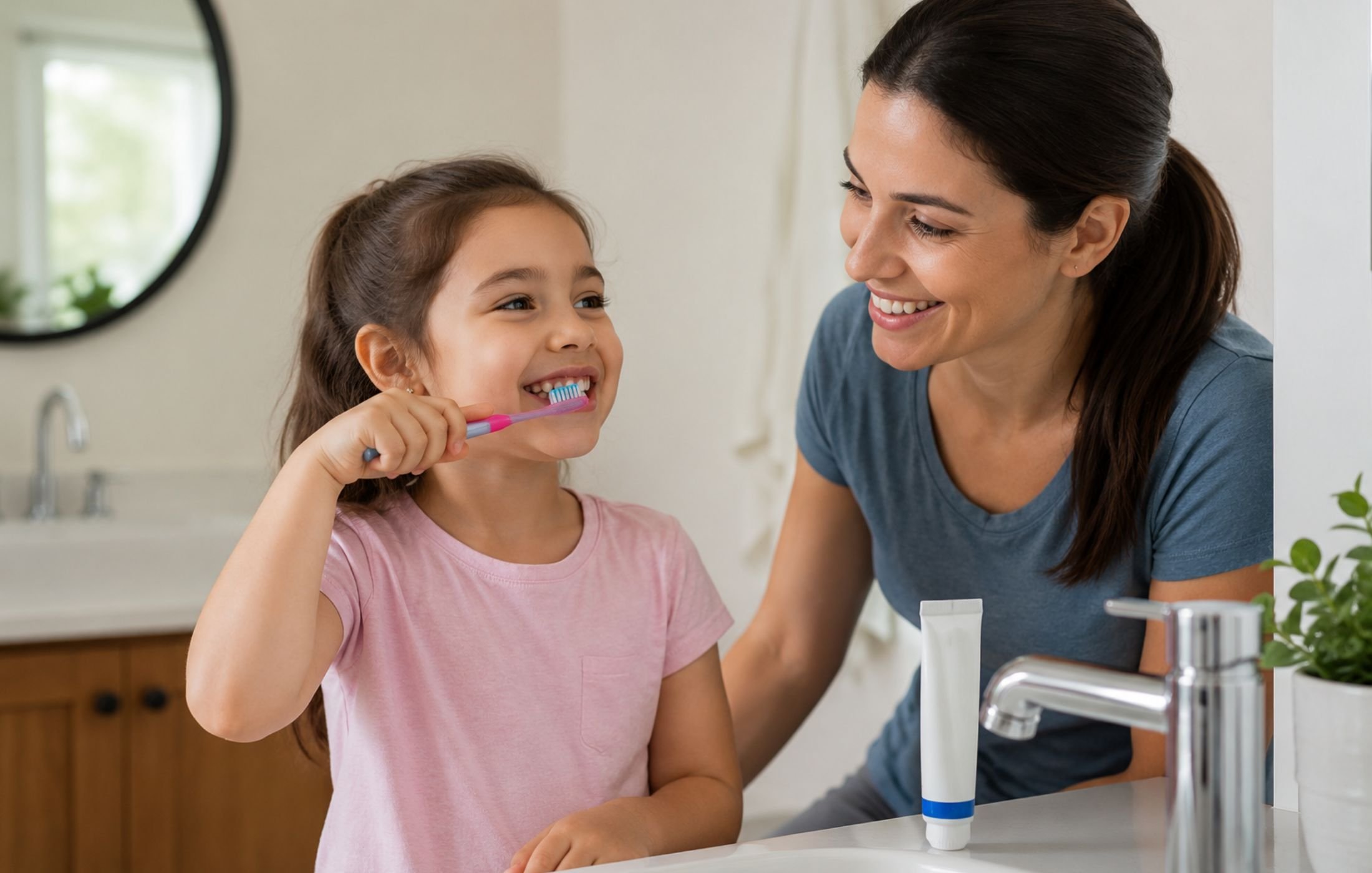
We don’t speak as much about enamel as we do about cavities or gum health, but it is the foundation that everything else depends on. When enamel is strong, teeth can handle the daily tasks of eating, drinking, and even temperature changes without an issue.
When it is weakened, nearly every other dental problem becomes easier to develop and harder to treat.
For parents raising children in a world full of juice boxes, sports drinks, and sticky snacks, understanding enamel is crucial.
What Is Tooth Enamel?
It is the hard outer layer that covers the crown of each tooth, the part visible above the gumline. It is the hardest substance the human body produces, harder than bone, and its job is to protect the softer layers underneath from bacteria, acid, temperature, and physical wear.
Beneath the enamel sits dentine, a much softer layer that is far more vulnerable to decay. Below that is the pulp, where the nerves and blood vessels of the tooth live. Enamel is what stands between the outside world and those inner layers. When it holds up, teeth stay healthy. When it is compromised, sensitivity, decay, and structural damage follow.
Why Tooth Enamel Is Essential for a Healthy Smile
Enamel does several things simultaneously that most people take for granted.
It shields teeth from the acids produced by bacteria after every meal. It insulates the nerve-rich inner layers from hot and cold temperatures. It provides the structural strength that allows teeth to bite and chew without fracturing. And it gives teeth their natural colour, since the shade of a smile reflects both the enamel's translucency and the dentine beneath it.
Children's enamel deserves particular attention. Baby teeth have thinner enamel than permanent teeth, making them more vulnerable to decay. And when permanent teeth first erupt in childhood, their enamel is not yet fully mineralised, which means the early years of a permanent tooth's life are when tooth enamel protection matters most.
For families in Vancouver and Burnaby, Smiley Kids Dental provides the kind of preventive, age-aware care that helps protect enamel from the moment teeth appear.
What Causes Eroded Tooth Enamel?
Eroded tooth enamel is one of the most common and most overlooked dental concerns in children and adults alike. Erosion happens when acid wears down the enamel surface over time, and the sources of that acid are often things families encounter every day.
Frequent consumption of acidic foods and drinks is a leading cause. Citrus fruits, fizzy drinks, sports drinks, and fruit juice all lower the pH in the mouth and soften enamel with each exposure. The problem is not a single glass of orange juice. It is the pattern of sipping acidic drinks throughout the day, which keeps the mouth in a near-constant state of acid exposure.
Sugar contributes as well, not directly, but by feeding the bacteria in the mouth that produce acid as a byproduct. Sticky and sugary foods that linger on tooth surfaces give bacteria more time to work.
Acid reflux is a less obvious but clinically significant cause. When stomach acid reaches the mouth repeatedly, it erodes enamel from the inside surfaces of teeth in a pattern that is quite distinct and often the first thing a dentist notices.
Dry mouth reduces the saliva that would otherwise neutralise acids and remineralise softened enamel between meals. And grinding, particularly in children who grind at night, wears enamel down through physical friction rather than acid.
Book an appointment today and give your child's smile the foundation it deserves.
How to Prevent Tooth Enamel Erosion?
It all comes down to reducing acid exposure, supporting remineralisation, and keeping up with professional care.
Offer water as the default drink between meals. When acidic drinks are consumed, encourage drinking through a straw and rinsing with water afterwards. Avoid brushing immediately after consuming something acidic since enamel is temporarily softened after acid exposure and brushing at that point causes more wear, not less. Waiting 30 minutes before brushing is a simple habit that makes a measurable difference.
Use fluoride toothpaste consistently. Fluoride supports remineralisation by helping the enamel absorb minerals that strengthen it between brushing sessions. For children under 3, a grain-of-rice-sized amount. For children aged 3 and up, a pea-sized amount twice daily.
Limit grazing throughout the day. Every snack resets the acid cycle in the mouth. Three structured meals with water in between give enamel far more recovery time than continuous snacking does.
Professional fluoride treatments at dental checkups provide a higher concentration of protection than toothpaste alone and are particularly valuable for children whose enamel is still maturing. To explore these options, visit our dental services page.
Does Tooth Enamel Grow Back?
This is one of the most important questions parents ask, and the honest answer is: not in the way most people hope.
Enamel cannot regenerate because the cells that produce it, ameloblasts, are lost once a tooth fully erupts. Once enamel is gone, it is gone. However, enamel that has been softened or mildly weakened by acid can be partially remineralised through fluoride, calcium, and phosphate. This is not regrowth. It is a strengthening of what remains.
This distinction matters because it shifts the focus decisively toward prevention. Waiting until enamel is visibly damaged means the window for remineralisation has already passed.
What Does Tooth Enamel Repair Mean?
When dentists talk about tooth enamel repair, they are referring to clinical interventions that address damage beyond what remineralisation can correct.
For mild erosion, fluoride varnish applied professionally can slow further wear and support the remaining enamel. For more significant erosion where the dentine is exposed and sensitivity or structural concern is present, options include bonding, where tooth-coloured resin is applied to the affected surface, or in more advanced cases, veneers or crowns to restore both function and appearance.
The type of repair recommended depends on how much enamel remains, where the damage is, and the age of the patient. For children, the goal is always to preserve as much natural tooth structure as possible while protecting what is there from further wear.
Book an appointment if your child has shown signs of sensitivity, visible changes in tooth colour, or you have concerns about their enamel health. Catching erosion early keeps options open.
Get Personalized Dental Care at Smiley Kids Dental
Enamel health cannot be fully managed at home alone. Regular professional assessments allow a dentist to catch early signs of erosion, monitor high-risk areas, and recommend targeted interventions before damage becomes irreversible.
At Smiley Kids Dental, every checkup includes an evaluation of enamel health as part of a broader picture of your child's oral development. Building strong enamel habits early is one of the most valuable things a family can do for long-term dental health.