
What to Do If Your Child Breaks a Tooth — Step-by-Step Guide
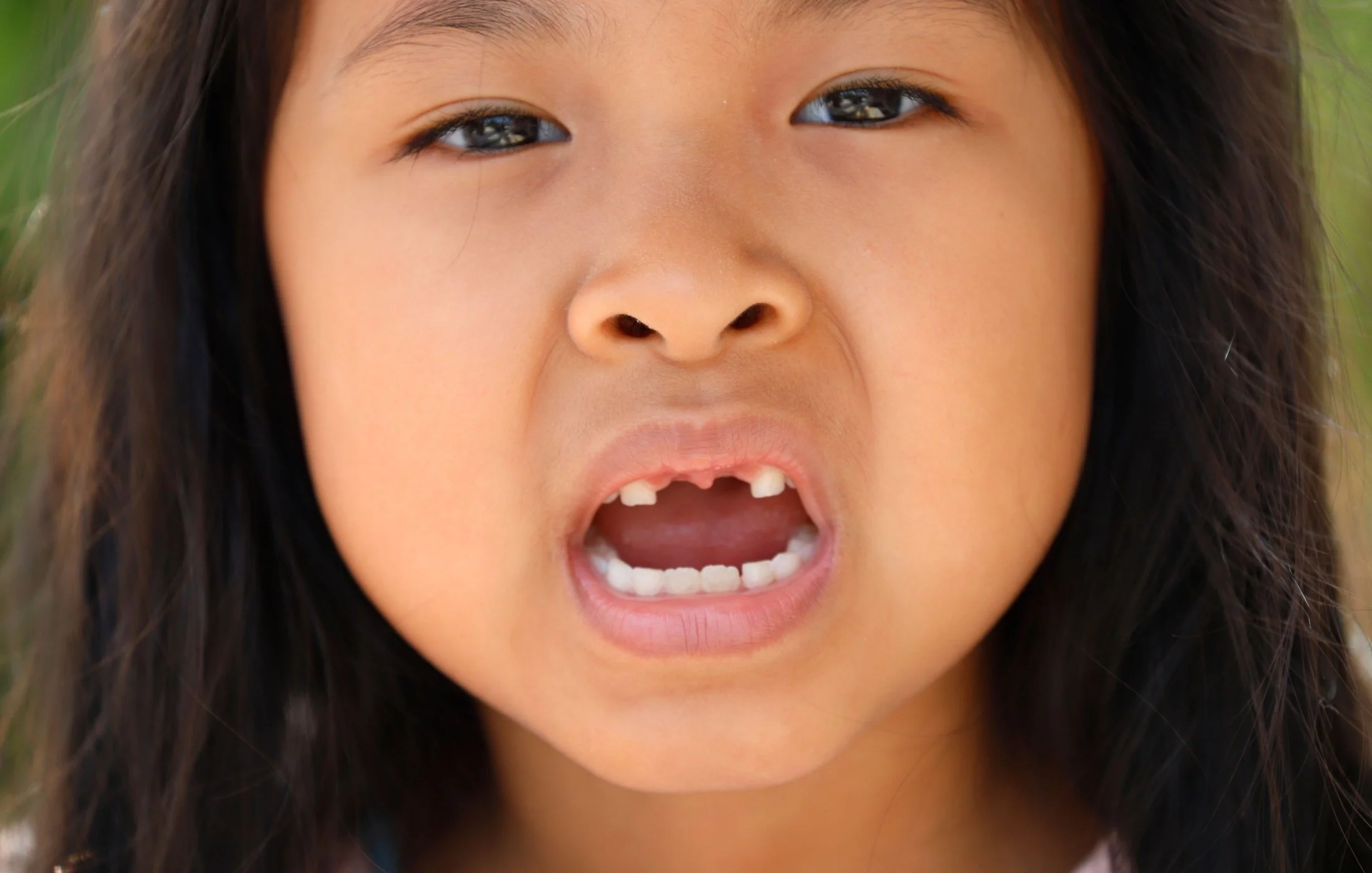
When a child chips or breaks a tooth, two things matter most. Calm, focused action at home. Prompt, appropriate dental treatment. This guide lays out child broken tooth care that parents can follow with confidence, from first aid to follow-up. For families in Canada, Smiley Kids Dental can help coordinate urgent care and guide next steps.
Immediate steps overview. Rinse gently. Control bleeding with gauze. Save any tooth fragment in milk or saline. Cover sharp edges with dental wax. Give child-safe pain medicine as directed. Call a pediatric dentist for a same-day assessment. Avoid extreme temperatures and hard foods until seen.
Understanding Child Tooth Fractures: Types, Symptoms, Risks
Tooth injuries span a spectrum. Small enamel chips feel rough but may be painless. Enamel–dentin fractures expose the yellow layer under enamel and often cause cold sensitivity. Deeper fractures that reach the pulp can expose pink or red tissue and trigger throbbing pain. Vertical cracks and root fractures can be subtle at first, then escalate with chewing or temperature changes.
Symptoms that raise the stakes include persistent pain, bleeding that doesn’t stop with pressure, visible pulp, tooth mobility, and changes in bite. Risks vary by age. Baby teeth sit close to developing permanent teeth, so trauma can affect future enamel quality and eruption paths. Permanent incisors, especially newly erupted ones, have larger pulp chambers and thinner enamel, so chips can expose nerve tissue more easily.
Child Broken Tooth Care: Immediate Steps for Parents
What to do if child breaks tooth
Rinse gently with lukewarm water. Outcome. Clears debris and lets you see the injury.
Apply pressure with clean gauze for 10 minutes if bleeding. Outcome. Stabilizes soft tissues and calms the scene.
Find and save any tooth fragment. Outcome. Dentists can sometimes bond it back for a perfect color and shape match.
Call a pediatric dentist. Outcome. Same-day guidance on risk and timing.
Protect the area. Outcome. Wax or sugar-free gum over sharp edges to prevent cheek or tongue cuts.
Safe pain control and bleeding management
Use acetaminophen or ibuprofen at child-appropriate doses on the label or as advised by a healthcare professional. Avoid aspirin in children. It’s not the right medicine for this situation and carries specific pediatric risks. Cold compresses on the cheek reduce swelling. For bleeding, steady pressure with gauze or a moistened tea bag for tannins if needed. If bleeding won’t subside after 10 to 15 minutes of firm pressure, that’s a red flag for urgent care.
Skip numbing gels on the gums. Benzocaine products are not recommended for young children due to rare but serious safety concerns, and they don’t address nerve pain from a fracture.
Preserving tooth fragments and avoiding common mistakes
Handle the fragment by its smooth surface. Do not scrub. Place in cold milk, saline, or the child’s saliva to keep it hydrated.
Do not glue the fragment yourself. Adhesives can damage tissues and compromise later bonding.
Avoid hot, cold, or sweet drinks that trigger pain. Skip hard, sticky, or crunchy foods until the tooth is treated.
Do not delay calling a dentist “to see if it settles.” Tiny fractures can worsen within days.
How to Care for a Broken Child Tooth at Home Before the Appointment
Protecting sharp edges and soft tissues
Cover sharp edges with orthodontic wax from the pharmacy. Sugar-free gum works in a pinch. Remind your child not to explore the area with their tongue, which can irritate tissues and worsen symptoms. If a broken tooth is cutting the tongue repeatedly, add a small cotton roll between teeth and cheek to reduce accidental contact until seen.
Eating, drinking, and hygiene do’s and don’ts
Do serve soft, lukewarm foods. Yogurt, eggs, pasta.
Do rinse gently with saltwater after meals to keep the area clean.
Do brush carefully around the area with a soft brush. Clean teeth heal better.
Don’t chew on the injured side. Don’t sip hot chocolate or ice-cold drinks that can spike pain.
Don’t give hard candy, nuts, or sticky caramels that can pry at the fracture.
When to See an Emergency Pediatric Dentist in Canada
Signs that require same-day or ER care
Uncontrolled bleeding after 10 to 15 minutes of firm pressure.
Tooth displaced, very loose, or a piece embedded in the lip or cheek.
Severe pain, visible pink/red pulp tissue, or sudden color change to grey.
Signs of head injury. Loss of consciousness, vomiting, or jaw cannot open or close normally. Go to the ER first.
Here’s a familiar scene. The snap of a hockey stick, a quick cry, the metallic taste of blood. “It looks worse than it is” is often true for minor chips. Still, same-day advice avoids missed fractures that show up days later.
Finding after-hours dental care in your province
Start with your pediatric dentist’s office line for instructions. Many practices share after-hours guidance on voicemail. The Canadian Dental Association’s dentist finder can help identify local clinics that list emergency services. Provincial health services can also direct next steps. If there are signs of head or jaw injury, head to the nearest emergency department first.
Smiley Kids Dental supports families by helping assess urgency and connect with child-friendly care in your area. If you’re unsure about next steps, you can book an appointment with our team to get guidance tailored to your child’s needs.