
The Difference Between Overbite, Underbite, And Crossbite?
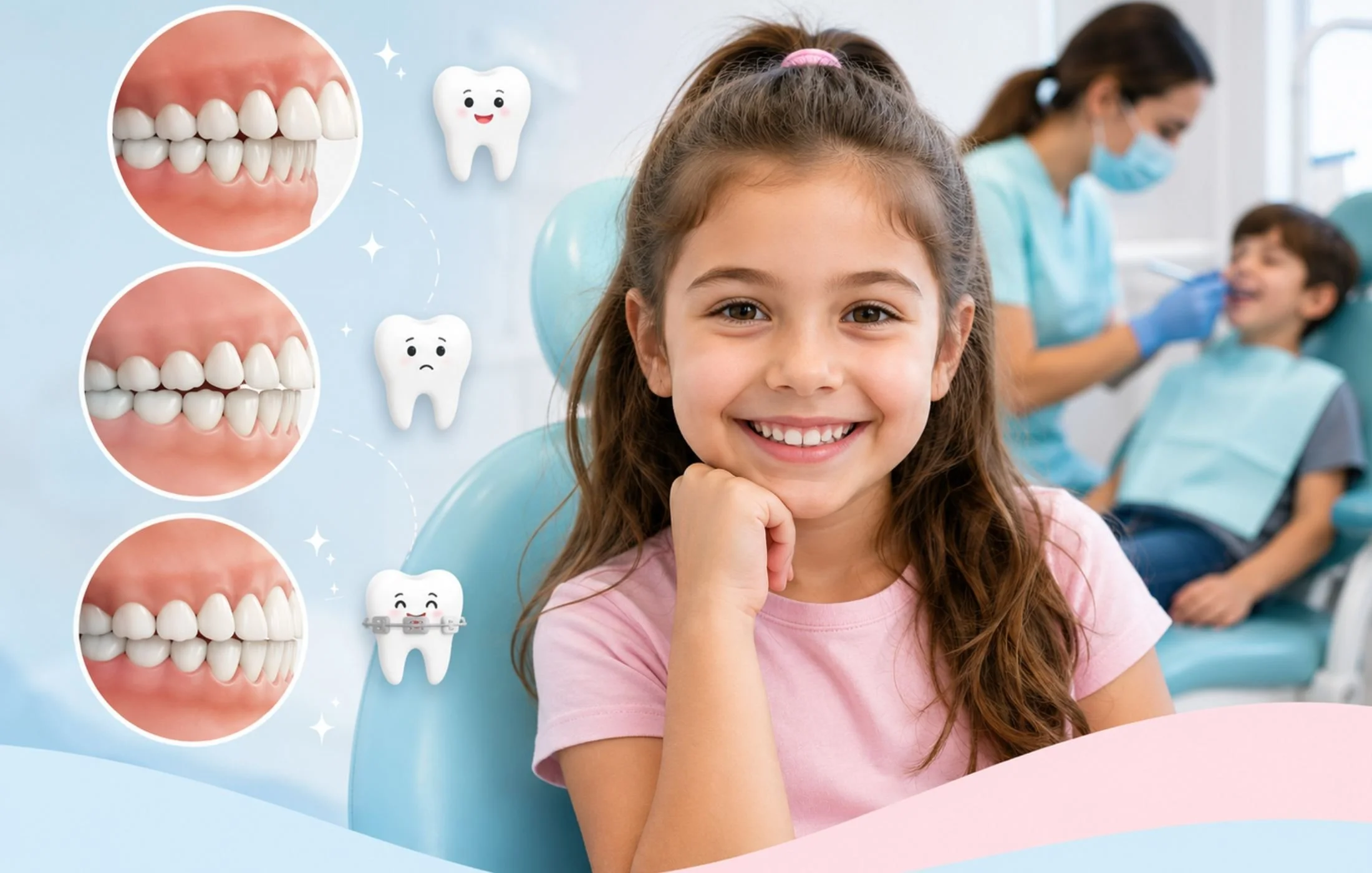
Most children develop their permanent teeth without major concerns, but sometimes the way the upper and lower teeth come together is not quite right. These alignment problems are known as bite issues, and they can affect more than just the appearance of your child's smile. Depending on the type and severity, they may influence chewing, speech, jaw development, and even long-term oral health.
The good news is that many bite problems can be treated successfully, especially when they are identified early. Knowing the difference between an overbite, underbite, and crossbite can help you understand when it's time to seek professional advice and what treatment options may be available.
What Are Overbite, Underbite, and Crossbite?
Although these conditions all affect how the teeth fit together, each one is different.
An overbite happens when the upper front teeth overlap the lower front teeth more than they should. A slight overlap is normal, but a deep overbite can lead to uneven tooth wear, jaw discomfort, and difficulty biting into food.
If you are wondering How to fix overbite?, the answer depends on your child's age and the severity of the condition. Early orthodontic treatment, braces, clear aligners, or other appliances may all be suitable options.
An underbite occurs when the lower teeth sit in front of the upper teeth. Many parents ask, Can an underbite be fixed without surgery? In growing children, the answer is often yes. Orthodontic appliances can guide jaw development while the bones are still growing. More severe cases in adults may require surgery, but early intervention often reduces that possibility.
Likewise, Can braces fix an underbite? They certainly can in many mild to moderate cases, particularly when treatment begins at the right time.
Crossbite teeth develop when one or more upper teeth sit behind the lower teeth instead of in front. Left untreated, a crossbite can cause uneven tooth wear, gum problems, and jaw strain. If you have been asking How do you fix a crossbite?, treatment may involve braces, clear aligners, or a palatal expander to create enough room for proper alignment.
Every child's smile develops differently, which is why an early assessment helps identify the best treatment for bite problems before they become more complex. If you would like a personalized evaluation, you can find the right bite solution.
Why Early Treatment Matters More Than You Think
Parents often assume orthodontic treatment begins during the teenage years, but many bite problems can be identified much earlier.
So, What age is best to treat an overbite? Most orthodontists recommend that children receive their first orthodontic evaluation around age seven. At this stage, permanent teeth are beginning to appear, making it easier to identify developing bite concerns before they become more difficult to correct.
Early treatment does not always mean your child will need braces immediately. Sometimes we simply monitor how the teeth and jaws are developing over time. In other cases, early intervention can guide jaw growth, create space for incoming teeth, and reduce the need for more extensive treatment later.
Addressing bite concerns while your child is still growing often leads to simpler treatment and better long-term results. If you have noticed changes in your child's bite or jaw alignment, now is a great time to get expert bite treatment.
Can Bite Problems Affect Speech and Everyday Activities?
Many parents think bite problems are purely cosmetic, but they can affect everyday life in several ways.
One common question is, Can bite problems affect speech? They can. Some children may struggle to pronounce certain sounds clearly because the tongue and teeth cannot work together as they should. Bite problems may also make chewing less efficient, causing uneven pressure on the teeth and jaw.
Over time, untreated bite issues may contribute to jaw discomfort, excessive tooth wear, difficulty cleaning crowded teeth, and an increased risk of cavities or gum problems. These concerns often develop gradually, making regular dental visits important even if your child is not complaining of pain.
At Smiley Kids Dental, we carefully monitor your child's oral development during routine visits so we can identify concerns early and recommend the most appropriate next steps. We look forward to welcoming your family to Smiley Kids Dental and helping your child build a healthy, confident smile that lasts for years to come.
Healthy Smiles Start with the Right Guidance
Not every overbite, underbite, or crossbite requires immediate treatment, but every child benefits from having their bite evaluated as they grow. Early assessments give us the opportunity to monitor development, recommend treatment only when necessary, and help your child avoid more complex problems in the future.
Our goal is always to provide clear guidance that fits your child's individual needs. Whether your child requires monitoring, orthodontic treatment, or simply reassurance that everything is developing normally, we are here to help you make informed decisions with confidence.
If you have questions about your child's bite or it has been a while since their last visit, now is the perfect time to get expert bite treatment today!