
How to Restore a Damaged Tooth — Your Options Explained
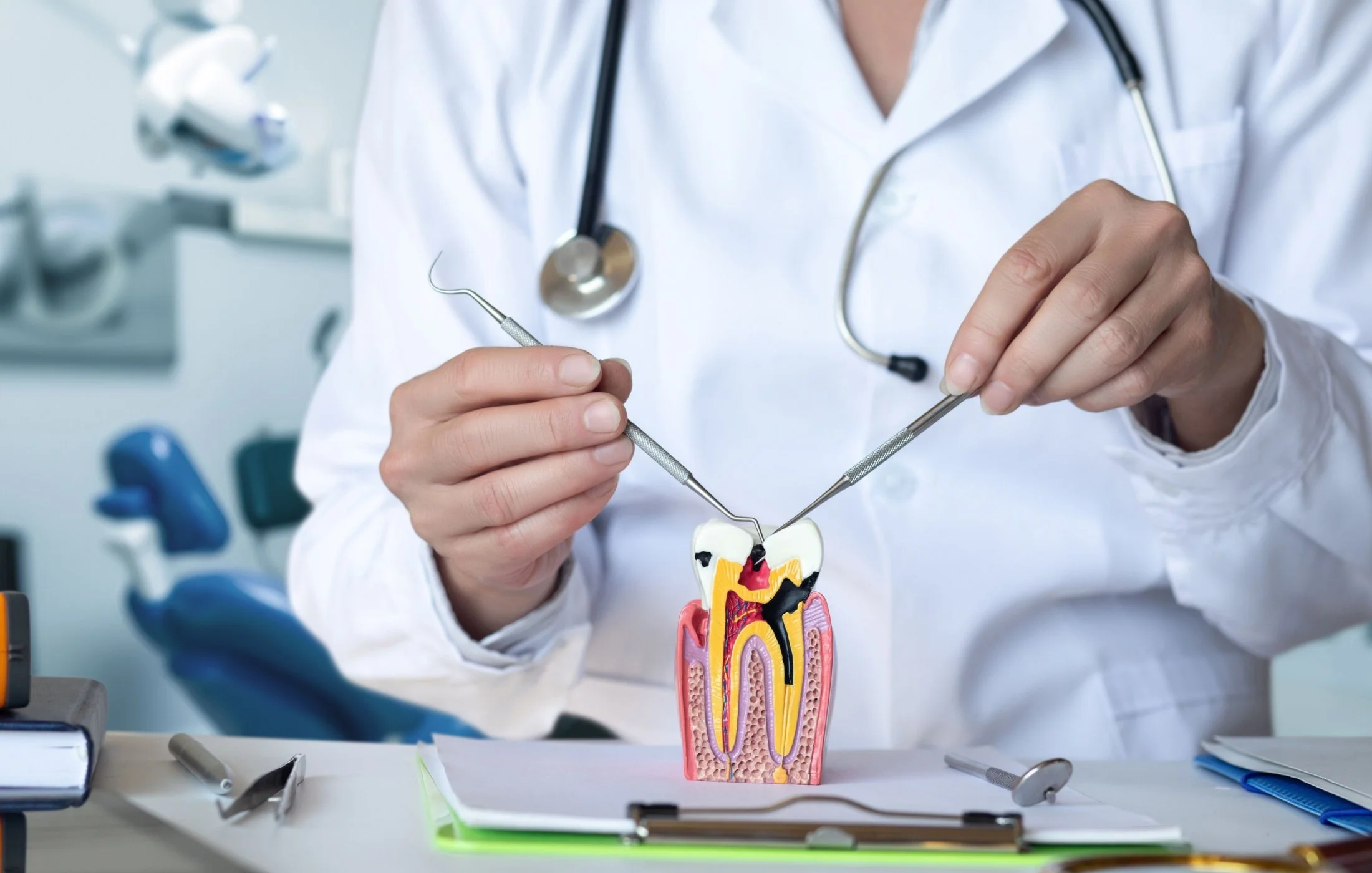
A chipped tooth. A deep cavity. A cracked molar after biting something too hard.
Tooth damage can happen suddenly — or develop slowly over time. The good news? Modern dentistry offers safe, effective ways to restore a damaged tooth and protect your long-term oral health.
What Does It Mean to Restore a Damaged Tooth?
To restore a damaged tooth means repairing its structure, function, and appearance so it can work normally again.
Depending on the severity, restoration may involve:
Tooth-coloured fillings
Dental crowns
Bonding
Root canal treatment
Orthodontic support
In rare cases, extraction and replacement
The goal is always the same:
✔ Stop pain
✔ Prevent further damage
✔ Preserve as much natural tooth as possible
If you’re unsure how serious the damage is, it’s best to Book an Appointment for an evaluation before the issue worsens.
Signs You May Need Tooth Restoration
You should see a dentist if you experience:
Tooth pain or sensitivity
A visible crack or chip
Swelling near the gums
Darkening of a tooth
Difficulty chewing
Sudden sharp pain when biting
Even small fractures can deepen over time especially in growing children and teens.
Tooth Restoration Options Explained
Let’s break down the most common treatments.
1. Dental Bonding (Best for Minor Chips & Cosmetic Damage)
Best for:
Small chips
Minor cracks
Surface imperfections
Bonding uses tooth-coloured composite resin to reshape and repair the tooth.
✔ Quick procedure
✔ Often completed in one visit
✔ Minimally invasive
✔ Cost-effective
This option works well for children and teens who experience minor sports-related damage.
2. Dental Fillings (For Cavities & Small Structural Damage)
If decay has weakened the tooth, a filling removes the damaged area and seals it with durable material.
At Smiley Kids Dental, we use tooth-coloured fillings for a natural appearance.
✔ Stops decay progression
✔ Restores chewing function
✔ Blends seamlessly with natural teeth
If your child complains of sensitivity to sweets or cold drinks, early evaluation can prevent the need for more extensive treatment.
3. Dental Crowns (For Larger Damage or Cracks)
When a tooth is significantly weakened, a dental crown may be recommended.
A crown:
Covers the entire tooth
Restores strength
Protects against further fracture
Improves appearance
Crowns are commonly used after:
Large cavities
Fractures
Root canal treatment
They are especially helpful in protecting molars that endure heavy chewing pressure.
4. Root Canal Treatment (When the Nerve Is Affected)
If damage reaches the inner pulp of the tooth, infection can develop.
A root canal:
Removes infected tissue
Cleans the inside of the tooth
Seals it to prevent reinfection
Usually finishes with a crown
Despite common myths, root canals are safe and comfortable with modern techniques.
5. Orthodontic Support for Structural Issues
Sometimes damage isn’t caused by trauma — but by misalignment.
Crooked teeth can:
Wear unevenly
Chip more easily
Create bite pressure issues
In these cases, orthodontic treatment may help prevent repeated damage and restore proper function.
How Do Dentists Decide Which Treatment Is Best?
At Smiley Kids Dental, we consider:
Age of the patient
Extent of the damage
Location of the tooth
Risk of future fracture
Cosmetic concerns
Long-term oral health
Our approach is conservative — we preserve as much natural tooth structure as possible while ensuring durability.
Is It Safe to Delay Treating a Damaged Tooth?
Short answer: No.
Untreated damage can lead to:
Infection
Abscess
Severe pain
Tooth loss
Spread of bacteria
What starts as a small crack can turn into a major issue — especially in active children and teens.
Early treatment is simpler, less invasive, and more cost-effective.
If you suspect any damage, schedule an exam at our Vancouver or Burnaby location.
Tooth Restoration for Children vs Adults
For children:
Baby teeth still matter
Early damage can affect permanent teeth
Conservative care is prioritized
For teens and adults:
Structural strength becomes critical
Bite alignment plays a bigger role
Long-term durability is key
Our team is experienced in treating patients of all ages in a comfortable, supportive environment.
When Should You See a Dentist?
See a dentist immediately if you notice:
Sharp or persistent pain
Swelling in the face or gums
Fever with tooth discomfort
A broken or knocked-out tooth
For non-emergency damage, it’s still important to get evaluated promptly.
Don’t wait for discomfort to worsen.
Book an Appointment with Smiley Kids Dental and let our team restore your smile safely and comfortably.