
As a parent, you try to make the right food choices for your child. You limit obvious sweets, check labels, and focus on balanced meals. Even with that effort, sugar often slips into your child’s diet in ways that are not easy to notice.
Many everyday foods contain more sugar than expected. These are not just desserts or treats. They include items that seem healthy or convenient. Over time, this unnoticed intake can affect both your child’s overall health and oral health.
We focus on prevention because daily habits shape long-term outcomes. Hidden sugars are one of the most common contributors to avoidable dental concerns in children. Understanding where they come from helps you make better decisions without overcomplicating your routine.
What Is Hidden Sugar And Where Does It Come From?
Hidden sugar in food refers to sugars added to products that are not typically seen as sweet. These sugars improve taste and shelf life, but they also increase overall sugar intake without you realizing it.
You may find them in flavoured yoghurt, cereals, packaged juices, granola bars, and sauces. These foods are often consumed daily, which increases the frequency of sugar exposure.
Frequent exposure plays a major role in tooth decay in children. It is not just about how much sugar is consumed, but how often it interacts with teeth throughout the day.
If you want a clearer understanding of how diet affects oral health, you can explore preventive dental care for children.
Why Hidden Sugars Matter For Your Child’s Health
Sugar affects more than just teeth. It also impacts your child’s overall health when consumed regularly.
One major concern is childhood obesity. Foods with hidden sugars often contain extra calories without providing essential nutrients. Over time, this can lead to unhealthy weight gain.
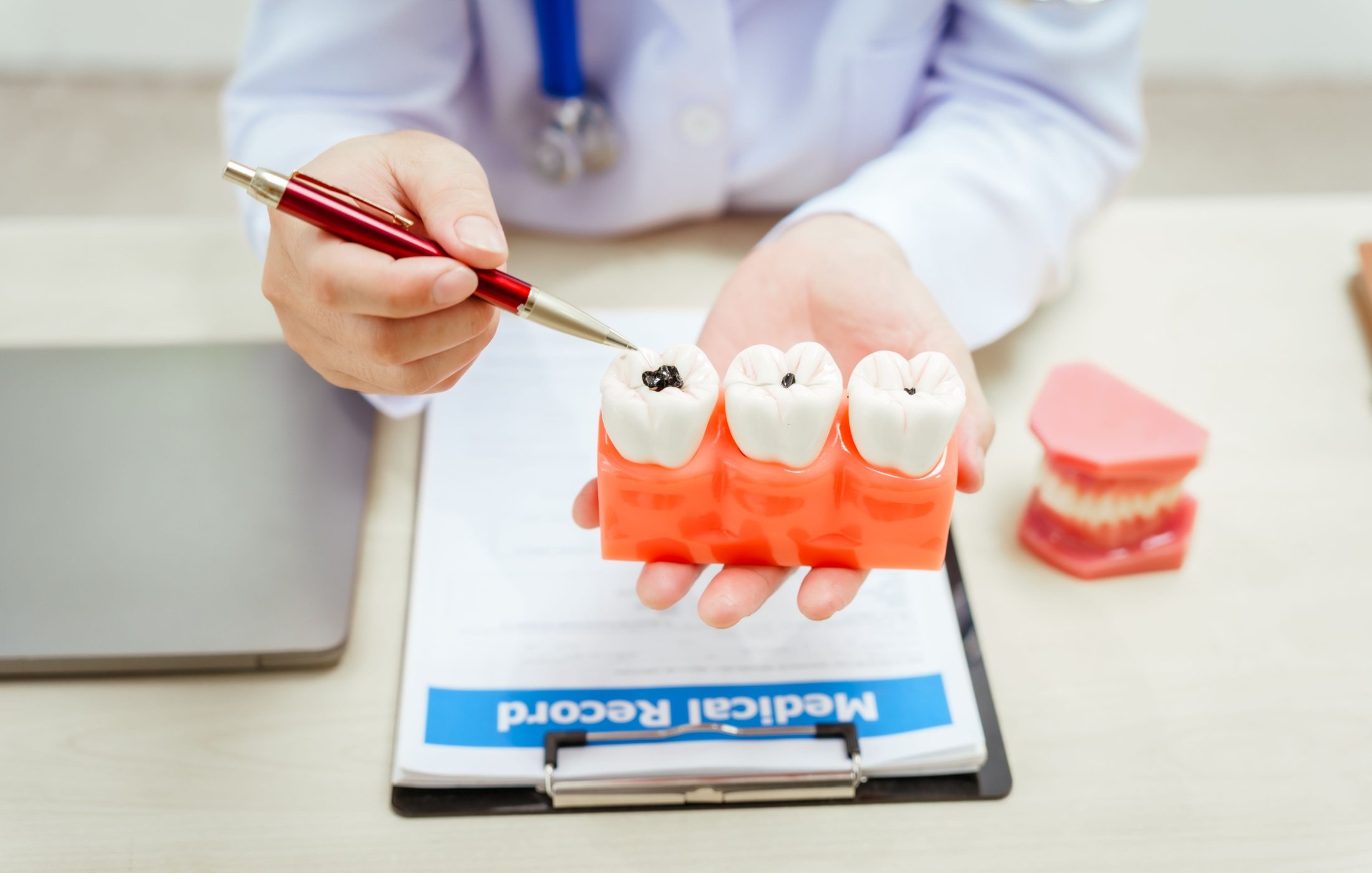
From a dental perspective, sugar feeds harmful bacteria in the mouth. These bacteria produce acids that weaken enamel. This is why tooth decay in children is strongly linked to frequent sugar intake rather than occasional treats.
Reducing hidden sugars helps protect both oral health and general well being.
Understanding The Different Names For Added Sugar
Sugar is not always listed clearly on food labels. Manufacturers often use different names for added sugar, which makes it harder to identify.
Some common examples include glucose, fructose, corn syrup, maltose, sucrose, and fruit juice concentrate. You may also notice multiple types of sugar listed separately on the same label.
When you see several of these ingredients together, it usually indicates a higher sugar content. Being aware of these names allows you to make more informed choices while shopping.
How Hidden Sugars Affect Your Child’s Teeth?
When your child consumes sugar, bacteria in the mouth break it down and release acids. These acids attack the enamel and gradually weaken it.
The frequency of sugar intake is what increases risk. Repeated exposure creates an environment where cavities can develop more easily. This pattern is one of the leading causes of tooth decay in children.
Sticky foods, poor brushing habits, and dry mouth can make the situation worse. If you notice early signs like sensitivity or plaque buildup, it may help to book a regular check-up for a proper evaluation.
How To Avoid Hidden Sugars In Everyday Foods?
If you are wondering how to avoid hidden sugars, start with simple changes that fit into your daily routine.
You can read labels more carefully and choose products with fewer added ingredients. Replacing flavoured yoghurt with plain options and choosing whole fruits instead of packaged juices makes a difference.
Limiting processed snacks and encouraging water instead of sugary drinks also helps reduce sugar intake. These changes are practical and easier to maintain over time.
For a better understanding of balanced oral care, you can also visit our Smiley Kids Dental home.
When Should You Be Concerned About Sugar Intake?
Occasional treats are not the issue. The concern begins when sugar becomes part of everyday meals and snacks.
Frequent sugar exposure increases the risk of cavities and contributes to childhood obesity. If your child experiences repeated cavities or visible plaque buildup, it is important to reassess dietary habits.
Regular dental checkups help identify these concerns early. If you want to take a proactive step, you can book an appointment for personalized guidance.
Building Healthier Habits For Your Child
Healthy habits do not require strict restrictions. They rely on consistency and simple routines.
You can set regular meal times, limit snacking, and encourage brushing after meals. Offering healthier snack options and reducing processed foods also supports better outcomes.
These habits help protect your child’s teeth while supporting overall health. Small improvements over time lead to long term benefits.
Supporting Your Child’s Smile Every Day
Hidden sugars are easy to miss, but their impact builds over time. Staying aware of ingredients and maintaining consistent habits can help you prevent common dental issues.
We support families with preventive care that fits into everyday life. If you want to learn more about maintaining your child’s oral health, you can explore our complete dental care guide and build a routine that works for you.