
Fluoride Treatments: What Parents Should Know
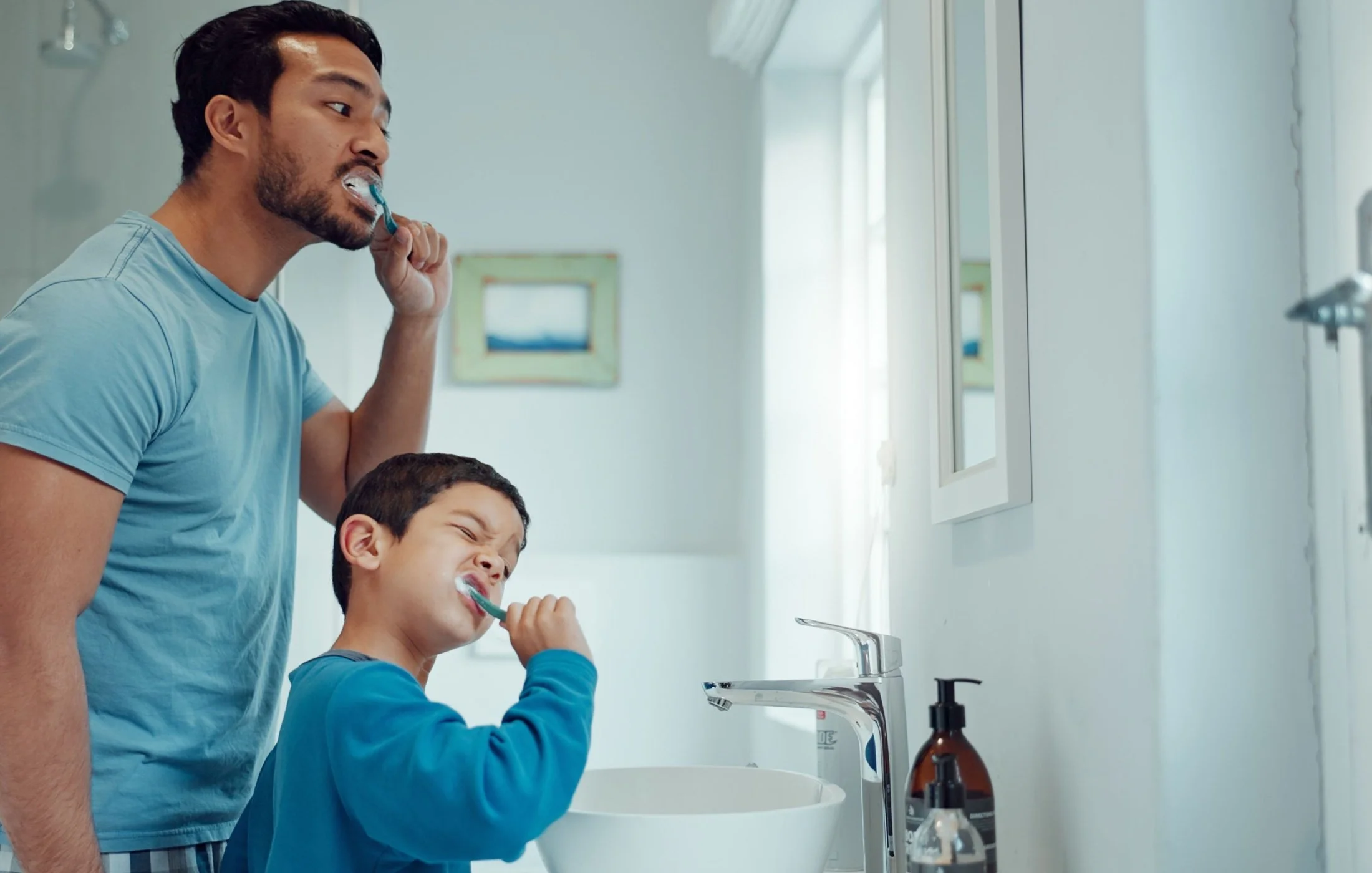
Fluoride treatment for children is one of those small, high-impact steps that protects young teeth before trouble starts. Parents ask about it because it’s quick, affordable, and widely recommended.
Fluoride treatments for kids are brief in-office applications of a high concentration fluoride, usually a varnish, that strengthens enamel and helps prevent cavities. The fluoride binds with tooth mineral to resist acid attacks, slow early decay, and support natural repair. It works best alongside daily brushing with fluoride toothpaste, regular checkups, and smart snacking.
Fluoride treatment for children: what it is and how it works
Fluoride is a naturally occurring mineral that integrates into tooth enamel, making it more resistant to the acids produced by dental plaque. Think of it as reinforcing the outer armor of the tooth. When acid tries to dissolve enamel, fluoride helps shift the balance back toward remineralization, so early soft spots can harden again instead of turning into full cavities.
In-office fluoride application for children uses a stronger concentration than toothpaste. Varnish sticks to teeth right away, especially on grooves and near the gumline where plaque tends to hide. The treatment complements daily use of fluoride toothpaste at home and can be layered with dental sealants to protect chewing surfaces on molars.
Over the past decade, pediatric and public health organizations have consistently supported professional fluoride for kids because it reduces cavity risk, especially for those most vulnerable due to diet, oral hygiene challenges, or limited access to dental care.
Benefits of fluoride treatments for kids
Cavity prevention and enamel strengthening
When teeth face repeated acid attacks from food and drink, fluoride helps enamel hold its ground. That means fewer weak spots and fewer fillings down the road. Short and sweet: fluoride helps teeth resist acid and promotes repair of early decay. It’s preventive care that aims to avoid pain, emergency visits, and missed school days.
Who benefits most: high-risk children
Children with previous cavities or white spot lesions
Kids who snack frequently on sugary foods and drinks
Those with orthodontic appliances that trap plaque
Children with special health care needs or enamel defects
Families without consistent access to a dental home
These groups see outsized gains because fluoride targets the exact weak points that lead to decay. When risk is high, professional fluoride 2 to 4 times a year makes a noticeable difference.
Types of kids fluoride treatments
Fluoride varnish
Varnish is the go-to choice for most young children. It’s painted onto dry teeth and hardens on contact with saliva, staying put for hours while fluoride penetrates enamel. It’s fast, well tolerated, and works across all ages, including toddlers with their first teeth.
Gels and foams
Gels and foams are placed in trays or painted on with a brush. They can be helpful for older children who can sit with trays for a minute or two without swallowing. Varnish has largely replaced these in younger age groups because it’s easier to apply and reduces ingestion.
Silver diamine fluoride (SDF)
SDF is used to stop active decay without drilling in select cases. It can arrest cavities quickly, making it especially useful when a child is anxious or not ready for restorative treatment. SDF stains the decayed area black, which is expected and signals the decay has been inactivated.
| Type | Best for | How it's applied | Key trade-off |
|---|---|---|---|
| Varnish | Toddlers to teens | Painted on teeth in minutes | Temporary dull or yellow tint until brushed off |
| Gel or foam | Cooperative older kids | Tray or brush for 1 to 4 minutes | Requires good swallowing control |
| SDF | Active cavities, high anxiety | Spot application to decay | Permanently turns decayed spots black |
When and how often to get fluoride application for children
Age-based recommendations
Professional fluoride can start once teeth erupt. Pediatric groups recommend early dental risk assessment by 6 months and a dental home by 12 months. Fluoride varnish fits naturally into early visits and well-child care when access to a dentist is limited.
Risk-based frequency
Most children do well with 2 applications per year. Higher risk kids benefit from 3 or 4. Frequency depends on caries risk, diet, oral hygiene, and local water fluoridation. The goal is to match protection to need rather than follow a rigid schedule.
Timing with dental cleanings
Fluoride is commonly applied right after a dental cleaning. Clean tooth surfaces improve fluoride contact and distribution, and the appointment flow stays simple for families.
What to expect during a dental fluoride visit
Step-by-step procedure
Seat your child comfortably and dry teeth. Outcome: a clean surface ready for fluoride.
Paint varnish onto each tooth. Outcome: fluoride binds and starts working.
Let saliva set the varnish. Outcome: a thin, hard coating forms quickly.
Share aftercare tips. Outcome: parents know what to expect and what to do next.
The whole process is quick. Kids may notice a mild taste and a slightly tacky feel with their tongue. That sensation fades as the day goes on.
Aftercare and eating guidelines
Kids can eat right away. Choose soft foods and avoid very hot items the same day.
Skip brushing and flossing for 4 to 6 hours. Many families wait until morning.
Expect teeth to look a bit dull until the varnish is brushed off.
Safety, side effects, and who should avoid fluoride treatment
Fluorosis risk and prevention
Fluorosis happens when developing teeth get too much fluoride ingested over time. The practical fix is supervision and correct toothpaste amounts. Use a smear the size of a grain of rice for children under 3, and a pea-sized amount from 3 to 6. Teach spitting and avoid swallowing toothpaste.
Dosage, toxicity, and safe use
Professional varnish uses a small dose. The probable toxic dose of fluoride is about 5 milligrams per kilogram of body weight, far higher than what is applied in standard pediatric varnish visits. Proper technique and post-care instructions keep exposure low and safe.
Medical conditions and precautions
Share allergy information with the dental team, especially any history of sensitivity to tree resin or shellac used in some varnishes. Children with swallowing challenges are generally better served by varnish rather than trays. When questions come up, Smiley Kids Dental provides product-specific guidance and alternatives.
Fluoride Treatment at Smiley Kids Dental
Smiley Kids Dental provides gentle fluoride treatments for children at both of our clinic locations. Our pediatric-focused team customizes fluoride frequency based on your child’s cavity risk, age, and oral habits. Treatments are quick, comfortable, and scheduled alongside regular cleanings to make visits easy for families.
Have questions or want to get started? Book an appointment with Smiley Kids Dental today.
FAQs about fluoride treatments for children
Do kids need fluoride treatments?
Most children benefit from professional fluoride twice a year, and higher risk children may need it more often. It pairs with daily brushing and healthy snacks to keep cavities at bay.
What is the downside of fluoride treatment?
Temporary change in tooth appearance until varnish is brushed off is common. SDF darkens decayed areas by design. With correct dosing and supervision, systemic side effects are rare.
Is it safe for kids to take fluoride?
Yes. Varnish uses a small amount, hardens quickly, and limits ingestion. Safety is well established when applied by trained professionals and when toothpaste use at home follows age-based amounts.
Is fluoride treatment at the dentist worth it?
For most families, yes. It’s quick, low cost, and reduces the chance of cavities, especially in high-risk children. The long-term savings in time, discomfort, and treatment are meaningful.