
Why ‘We’ll Go Later’ Doesn’t Work: The Cost Of Delaying Dental Care
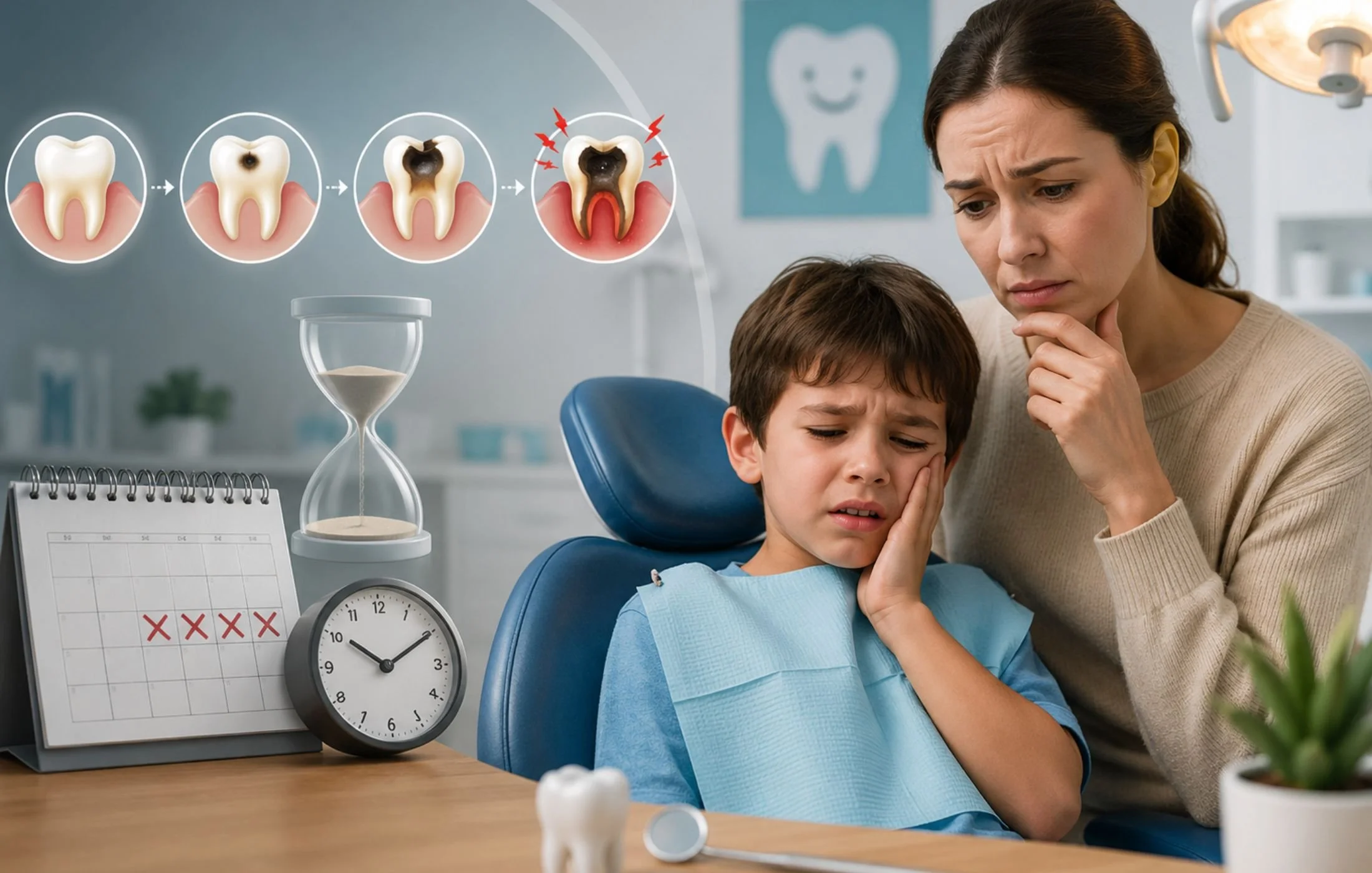
It is easy to postpone a dental visit when your child is not complaining about pain. Busy schedules, school routines, and daily responsibilities often make it tempting to wait a little longer. Many parents assume that if a cavity looks small or discomfort comes and goes, the issue can be handled later.
In reality, dental concerns rarely stay the same. Problems that begin quietly often become more serious over time. A small cavity can deepen, gum irritation can worsen, and mild sensitivity can turn into severe pain. Waiting usually leads to more complicated treatment, higher costs, and unnecessary stress for your child.
We believe prevention should always come before urgency. Consistent care helps you avoid situations that feel overwhelming later.
Why Delaying Dental Care Creates Bigger Problems?
Delaying dental care often allows minor concerns to progress unnoticed. Children may not always explain discomfort clearly, especially in the early stages. This means issues can continue developing even when symptoms appear manageable.
A cavity does not stop growing on its own. As decay spreads deeper into the tooth, it becomes harder to treat with simple procedures. What could have been addressed with basic care may eventually require more extensive dental treatment.
Delays can also affect eating habits, sleep, concentration, and confidence. Oral health directly influences your child’s daily comfort and development.
If you want to build stronger preventive habits early, you can explore children’s preventive dental care.
The Cost Of Waiting Is Often More Than Financial
The cost of delaying dental treatment is not limited to money. Delayed care can lead to discomfort, missed school days, interrupted routines, and anxiety around future dental visits.
When dental issues become painful, children often develop fear associated with treatment. Early intervention usually involves shorter and more comfortable visits. Waiting until pain becomes severe can make the experience more stressful for both you and your child.
Financially, delayed treatment also tends to become more expensive. A small cavity is simpler to manage than advanced decay affecting deeper layers of the tooth.
Preventive care reduces the likelihood of emergency situations and helps maintain long term oral health.
What Starts Small Can Turn Into A Dental Emergency
One of the most common reasons families search for emergency dental treatment near me is because a smaller issue was ignored for too long.
Dental emergencies rarely happen without warning. In many cases, there were early signs such as sensitivity, discomfort while eating, or visible discoloration. When these symptoms are overlooked, infection and severe pain can develop quickly.
Emergency situations may involve swelling, difficulty eating, or sudden toothaches that disrupt daily life. Addressing concerns early helps you avoid these stressful situations altogether.
If you notice any unusual symptoms, it is always better to act sooner rather than later.
Why Early Dental Care Matters More Than Most Parents Realize
Early dental care for children helps identify problems before they become serious. Regular checkups allow dentists to monitor growth, enamel strength, hygiene habits, and early signs of decay.
These visits also help children become comfortable with dental care from a young age. Familiarity reduces anxiety and builds confidence around appointments.
Early guidance helps you understand brushing habits, nutrition, and preventive routines that support healthier teeth long term. Small adjustments made early often prevent more complicated issues later.
You can also learn more about maintaining healthy oral habits through our Smiley Kids Dental home.
A Common Mistake Parents Often Make
One concern that often goes unnoticed is assuming baby teeth are temporary and therefore less important. In reality, baby teeth play a major role in speech, eating, and guiding permanent teeth into proper alignment.
Ignoring decay in baby teeth can affect surrounding teeth and increase the likelihood of future complications. This is one of the reasons preventive dental treatment should begin early and remain consistent.
Protecting primary teeth helps support healthier long term development.
The Emotional Impact Of Delayed Dental Visits
One aspect many blogs overlook is the emotional side of postponing care. Children who experience severe dental pain unexpectedly may begin associating dental visits with fear or discomfort.
On the other hand, routine visits create familiarity and trust. Children who attend regular appointments usually feel more relaxed because they are not only visiting during painful situations.
This emotional comfort can shape your child’s relationship with oral care for years. Positive early experiences encourage healthier habits as they grow older.
If your child has missed recent visits, you can always book an appointment and restart care gradually in a comfortable setting.
When Should You Schedule A Dental Visit?
You do not need to wait for pain before seeking care. Regular checkups help identify concerns early and reduce the need for extensive treatment later.
You should schedule a visit if you notice:
Tooth sensitivity
Pain while eating
White or brown spots on teeth
Swelling or gum irritation
Persistent bad breath
Even without visible symptoms, routine visits remain important for monitoring oral development and hygiene.
If you want reassurance about your child’s oral health, you can book an appointment and address concerns before they become more difficult to manage.
Small Steps Today Can Prevent Bigger Problems Tomorrow
Dental problems rarely improve by waiting. Most concerns become more complex when left untreated. Acting early protects your child’s comfort, confidence, and overall oral health.
At Smiley Kids Dental, we focus on preventive care that helps families avoid unnecessary stress and emergency situations. If you want to support your child’s smile with consistent care, you can explore our complete pediatric dental guidance and take proactive steps toward healthier habits.